

Introduction
The internet never forgets, and for Ibom Air, one passenger crisis was all it took to drag their reputation even lower.
On August 10, 2025, a clip of a passenger being dragged off a flight for refusing to switch off her phone went everywhere. The rough handling, the public humiliation, and the dramatic lifetime ban fueled instant outrage.
The backlash was swift. The Nigerian Bar Association condemned it, regulators got involved, and for many Nigerians, it wasn’t about safety anymore. It just confirmed what they already thought: Ibom Air is unreliable, customer-unfriendly, and doesn’t care.
This wasn’t just a passenger dispute; it was a full-blown PR disaster.
- A viral video went up against a defensive company statement.
- A lifetime ban that felt rash, extreme, and authoritarian.
- Human dignity became the headline, not aviation safety.
In a crisis, the facts matter, but perception moves faster.
In this article, we’ll look at how mid-sized to large businesses can build a proper crisis management plan.
Definition of Terms
Many brands assume “it won’t happen to us,” but research shows the opposite.
PwC’s 2019 Global Crisis Survey of over 2,000 companies found that only 7% had avoided a crisis in the past five years. Nearly a third (29%) had gone through 2–5 crises, while 24% faced more than five.
Put simply, a crisis is any unexpected event that threatens your people, operations, reputation, or financial stability, whether it’s internal (like product failures or staff misconduct) or external (like viral backlash or regulatory action).
The goal of crisis management is simple and that is to reduce confusion, protect trust, and limit long-term damage.
Stages of Crisis Communication
Not every emergency looks the same, and the way you talk about it shouldn’t either. A company’s communication strategy depends on when the issue arises, its severity, and the impact it has. The clearer each stage is understood, the easier it is to stay calm and deliberate when things spiral.
1. Before a Crisis Hits (Pre-Crisis Communication)
This is the preparation window, the calm before the storm. Here, organisations map out possible risks, decide who takes charge if something does happen, and set the tone for how the first few hours should unfold.
For example, a company that manages sensitive personal data might draft a message in advance about what they’ll say in case of a breach. That way, if the worst happens, they’re not fumbling; they already have words and actions ready to roll.
Case Study – NNPC (Nigeria)
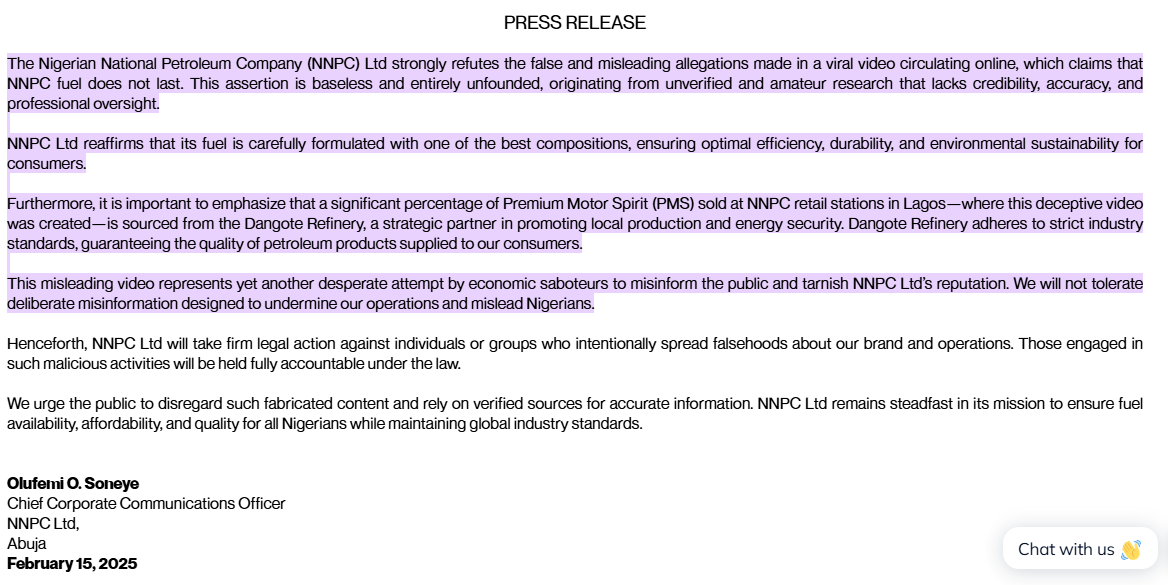
In 2025, a viral video claimed that fuel sold by the Nigerian National Petroleum Company (NNPC) “burned faster” than a competitor’s product, and NNPC responded by issuing a statement calling the claim “baseless and misleading” and threatening legal action against those behind it.
Technically, the accuracy of the claim was disputed, but in crisis communication, perception often matters more than fact. By leaning into a defensive, legalistic response, NNPC risked amplifying the controversy instead of calming it. Many consumers remained unsure, and the online discussion continued to spiral.
The lesson here is that while not every crisis comes from failure, some are fueled by perception and virality. Hence, plan with neutral, fact-based responses or even a rumour can spiral into reputational damage.

2. In the Heat of the Moment (Crisis Communication)
Reactive crisis communication is about stepping into the conversation before rumors take control.
The rule is simple: speak early, speak clearly, and speak honestly. Even if the full picture isn’t clear, silence will only look suspicious.
Take a power outage: within the first hour, a quick social media post and a short customer email are enough to prove you’re on top of things. People don’t expect perfection right away, but they do expect presence. Early visibility builds trust, but absence erodes it.
Case Study – Ibom Air (Nigeria)
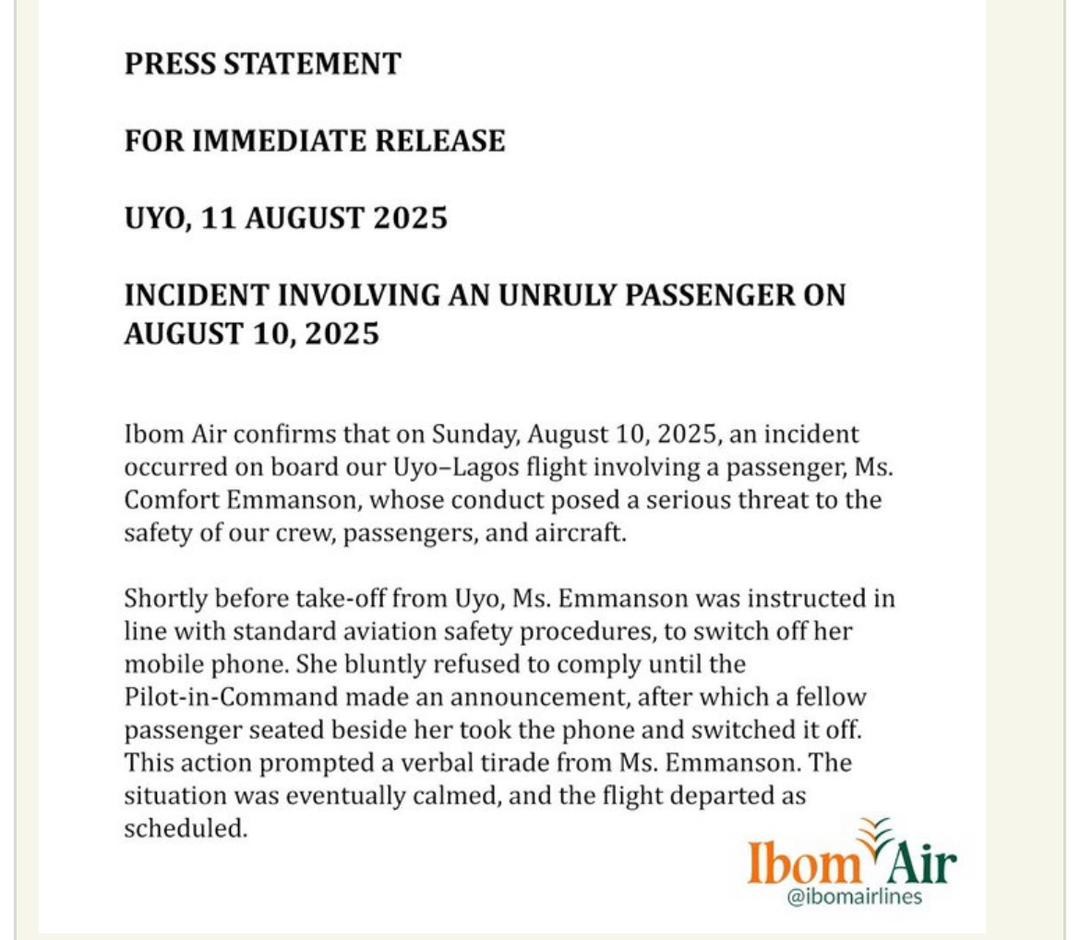
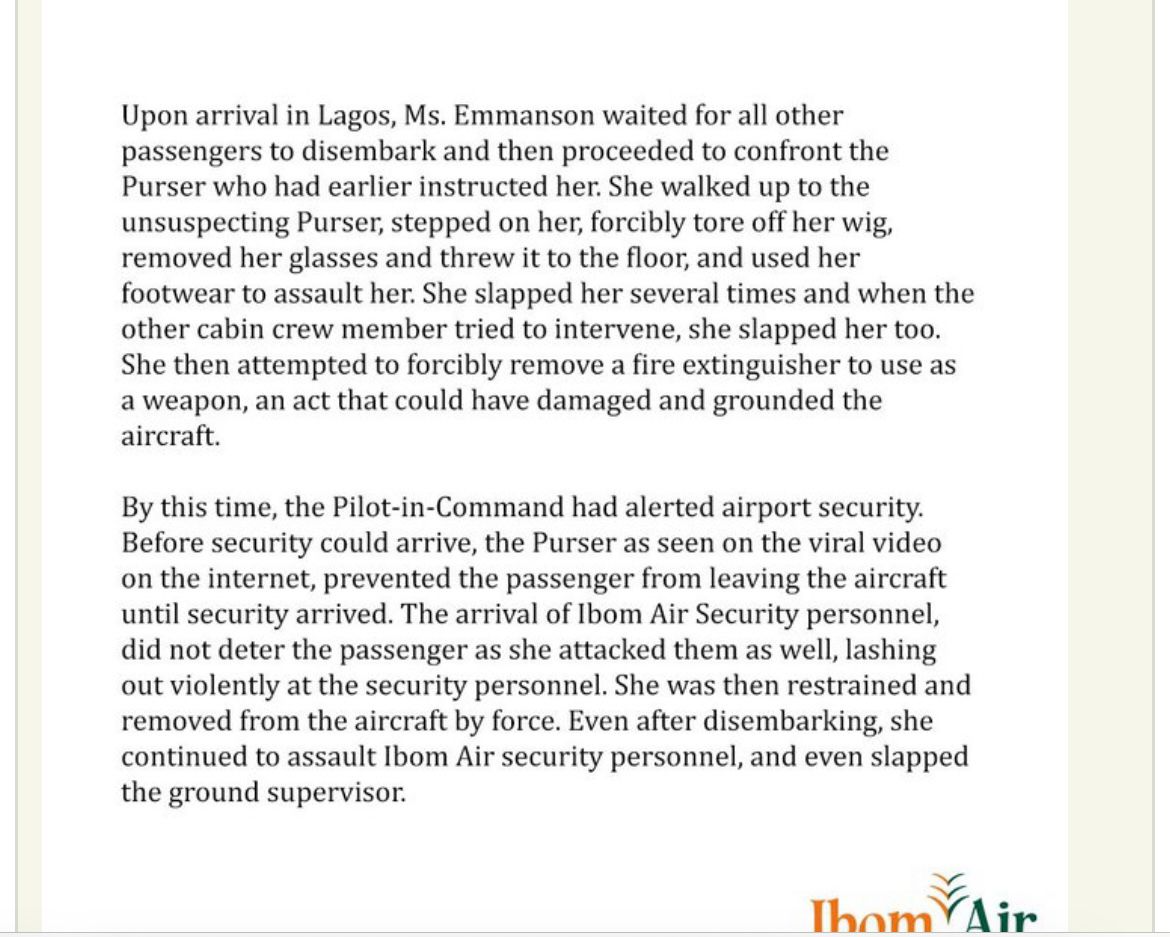
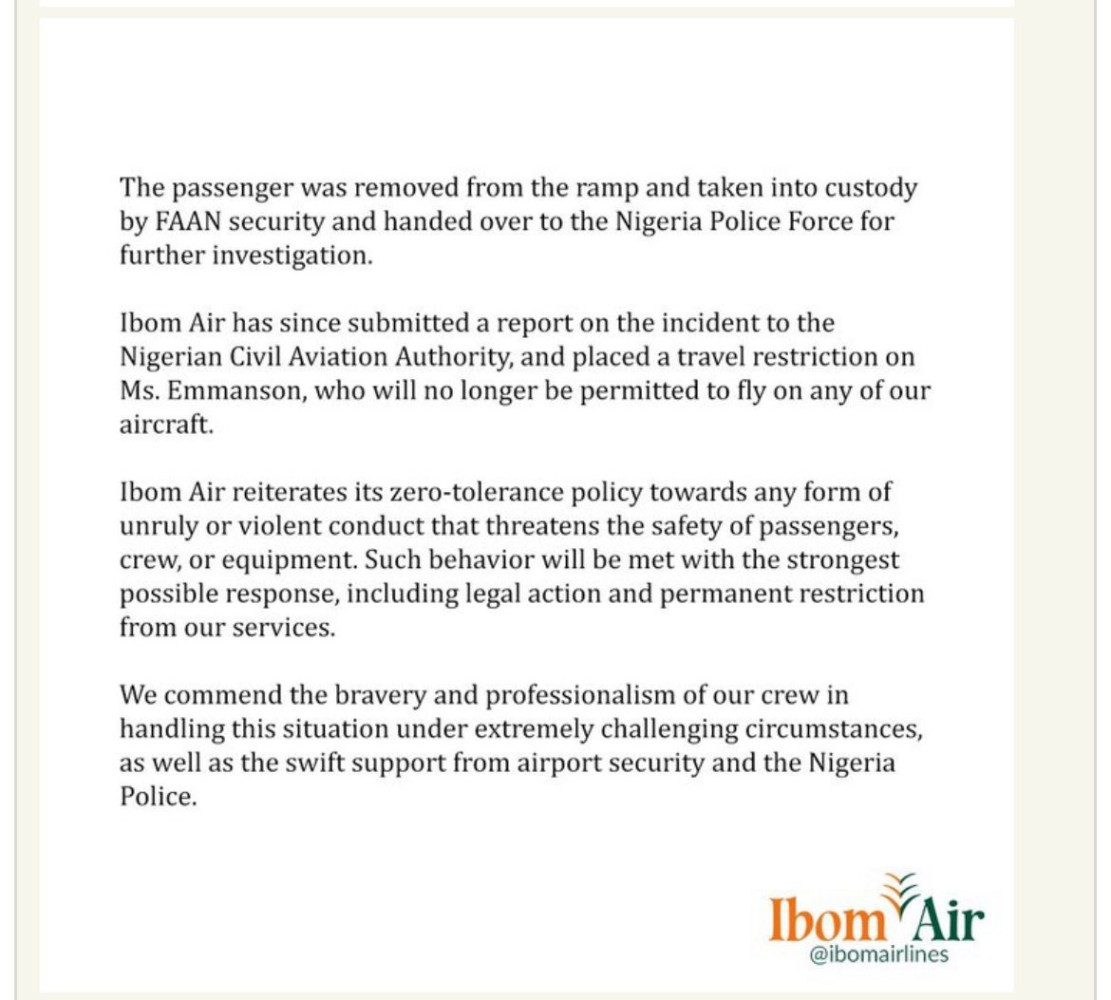
When a passenger assaulted a crew member and refused to follow safety rules in August 2025, Ibom Air reacted with a dramatic lifetime ban and public humiliation. While the safety concern was real, the communication was excessive, defensive, and rushed. Backlash from the Nigerian Bar Association and public figures forced regulators to walk back the ban, making Ibom Air look both authoritarian and inconsistent.
Lesson: In the heat of a crisis, speed matters, but clarity and proportionality matter even more. While half-checked updates fuel misinformation and erode trust, a neutral and fact-based early statement would have protected crew safety and public trust.
Strong crisis teams would separate what’s confirmed, what’s pending, and what must stay private. A rushed, wrong update inflames a crisis, while a fast, accurate one calms it.

3. Post-Crisis Communication
This stage is about rebuilding trust or, in some cases, even strengthening it. Stakeholders want closure. That might mean a transparent company-wide memo, a detailed blog post, or a Q&A session where leaders answer questions directly. The point is to show that lessons were learned and improvements are underway. Ensure you are transparent with relevant stakeholders in proportion to what they can reasonably handle.
People forgive mistakes more easily when they see genuine accountability.
How to Build a Crisis Communication Plan (Step-by-Step)
A strong crisis communication plan isn’t something you invent when trouble strikes. It’s a system you build ahead of time so your team knows exactly what to say, who should say it, and how quickly.
Step 1: Spot and Rank Risks
List possible threats: product failures, lawsuits, cyberattacks, staff misconduct, or data leaks. Rank them by probability and severity. Some deserve a full playbook; others just need a holding statement.
In 2024, a customer posted a negative review of Erisco’s tomato paste online. Instead of treating this as a common reputational risk, the company responded as though it were a severe legal threat, escalating straight to police involvement. The result was a nationwide backlash that did far more damage to Erisco’s reputation than the review itself.
If Erisco had spotted and ranked risks ahead of time, they would have flagged online criticism as a high-frequency, low-severity reputational risk, the kind of issue that calls for empathy and clear communication, not litigation. With a playbook in place, they could have addressed the concern calmly, reassured customers about product quality, and avoided fueling outrage.
Lesson: Anticipating reputational risks helps companies avoid overreactions that turn routine criticism into full-blown crises.
Step 2: Build a Crisis Team
No one person can handle a crisis solo. Create a team across PR, legal, HR, compliance, and leadership. Assign roles clearly, including backups. No one department should dominate. Balanced input avoids tone-deaf responses.
Step 3: Define Roles and Draft Messages
Decide ahead of time who speaks to the press, who updates staff, and who manages social media. Draft templates for likely scenarios with placeholders for facts and timelines.
Step 4: Choose Channels and Protocols
Different crises need different responses. Some need a tweet; others need a press release and stakeholder calls. Set timing rules; serious crises may need hourly updates, smaller ones daily.
Step 5: Test and Refine Regularly
A plan on paper means little without practice. Run drills simulating different crises: a product failure, a scandal, or a cyber breach. Walk through the process step by step to spot gaps and test response speed. Practice builds muscle memory. Teams that rehearse stay calmer and faster when a real emergency happens. Keep your plan in a live digital toolkit with templates, contact lists, and escalation maps. Review it quarterly or after major changes.
What’s Next?
Different industries face different risks and public expectations. A hospital, a bank, and a food delivery app can’t handle crises the same way.
- Highly regulated industries (such as healthcare and finance) must adhere to formal, compliant messaging.
- Consumer brands can lean into faster, friendlier updates.
The smartest companies adapt their tone and timing to fit their space rather than using one-size-fits-all messaging.
Today, crisis communication isn’t just about press releases. It’s a multi-channel response across social media, email, and direct stakeholder outreach, all within hours.
In the end, people judge companies by how they respond under pressure, not just by what went wrong. Businesses that prepare, practice, and communicate clearly earn loyalty and bounce back faster.